Andesite Textures: Enhancing Your Digital Projects with Professional Design Elements
What Are Andesite Textures and Why They Matter in Design
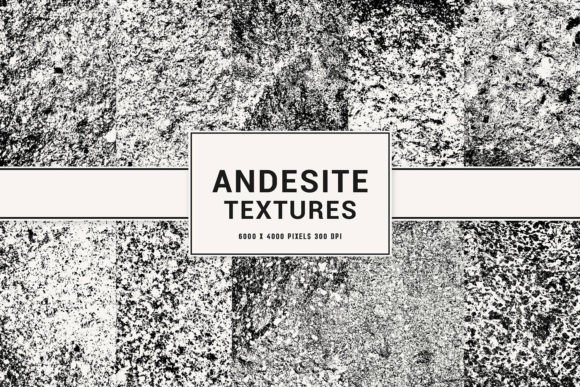
Andesite textures are high-resolution digital assets that bring a unique, natural look to various design projects. These textures are inspired by the geological composition of andesite, a type of igneous rock known for its fine-grained structure and varied color patterns. In the world of graphic design, these textures serve as powerful tools to elevate the visual appeal of any project, from websites to social media graphics.
Why use andesite textures? They offer a professional aesthetic that can transform simple designs into visually compelling ones. Whether you're working on branding materials, product packaging, or website backgrounds, incorporating andesite textures can add depth and sophistication to your work.
Understanding the Features of Andesite Textures
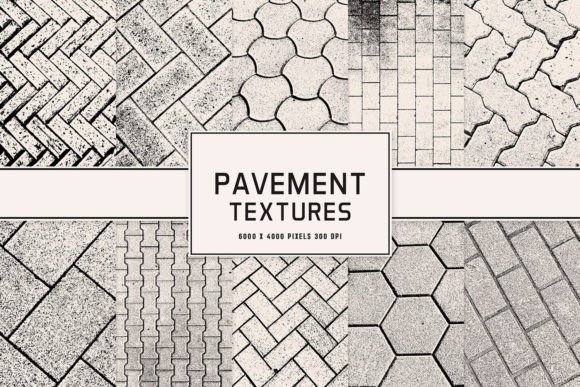
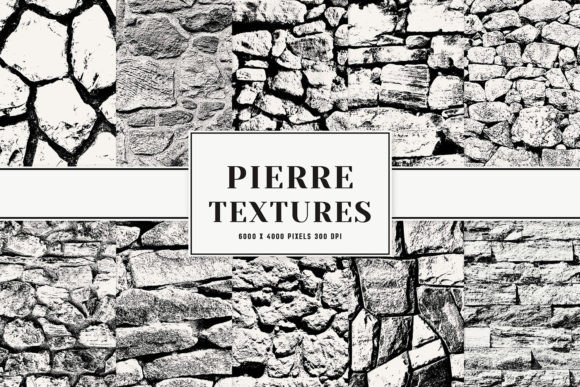
When choosing digital textures, it's important to consider their technical specifications to ensure they meet your project requirements. Andesite textures come in JPG and PNG formats, making them compatible with a wide range of design software. The resolution of these textures is set at 6000 x 4000 pixels, which is ideal for high-quality prints and large-scale digital displays.
- Resolution: 6000 x 4000 PX – Ensures crisp details even when scaled up.
- DPI: 300 DPI – Perfect for print and high-resolution digital outputs.
- Color Format: RGB Colors – Suitable for screen-based projects like websites and social media.
- Compatibility: Adobe Photoshop CC or higher – Allows for seamless integration into professional design workflows.
These features make andesite textures versatile and suitable for both beginners and experienced designers. Their compatibility with industry-standard tools ensures that you can easily incorporate them into your creative process without any hassle.
Applications of Andesite Textures Across Various Design Fields
The versatility of andesite textures means they can be used across a broad spectrum of design applications. From business cards to wedding invitations, these textures provide a consistent and professional appearance that enhances the overall quality of your work.
Graphic Design and Digital Art
In graphic design, andesite textures can be used as background elements or overlays to add texture and dimension to illustrations and photographs. Their natural graininess can complement both modern and traditional artistic styles, making them an excellent choice for creating visually rich compositions.
Web and Social Media Design
For web and social media content, using andesite textures as background elements can help create a cohesive visual identity. Whether you're designing a website banner, a Facebook cover photo, or an Instagram post, these textures can add a touch of elegance and professionalism to your online presence.
Branding and Marketing Materials
Business branding often requires consistency in visual elements. Using andesite textures in logos, brochures, or packaging can help establish a distinctive brand image. Their subtle yet refined appearance makes them ideal for creating a sense of trust and reliability in marketing materials.
Crafts and Paper Projects
If you're involved in paper crafts, such as scrapbooking or card making, andesite textures can be printed and used as decorative elements. Their intricate patterns can enhance the visual appeal of handmade items, making them perfect for special occasions like weddings or birthdays.
How to Use Andesite Textures Effectively in Your Projects
Using andesite textures effectively involves understanding how to integrate them into your design workflow. Here are some tips to help you get the most out of these digital assets:
- Layering: Apply andesite textures as layers over your base design to add depth and interest without overwhelming the main content.
- Opacity Adjustment: Experiment with different opacity levels to find the right balance between visibility and subtlety.
- Color Matching: Choose textures that complement your color palette to maintain a cohesive design.
- Blending Modes: Use blending modes in design software to achieve unique effects and blend textures seamlessly with other elements.
By following these techniques, you can ensure that your use of andesite textures enhances rather than detracts from your overall design.
Common Misconceptions About Textures in Design
Many designers believe that using textures can complicate their workflow or lead to cluttered designs. However, when used appropriately, textures like andesite can actually streamline the design process by providing ready-made elements that add visual interest and professionalism.
Another misconception is that only advanced designers should use textures. In reality, anyone with basic design skills can benefit from using textures. With the right tools and knowledge, even beginners can create stunning designs that stand out.
Conclusion: Elevate Your Creativity with Andesite Textures
Andesite textures are more than just decorative elements; they are valuable tools that can significantly enhance the quality of your design projects. Whether you're a professional designer or a hobbyist, incorporating these textures into your workflow can help you create visually appealing and professional-looking work.
From branding materials to digital art, the applications of andesite textures are vast and varied. By understanding their features and learning how to use them effectively, you can take your creativity to new heights and produce designs that truly stand out.
Explore the possibilities of andesite textures today and discover how they can transform your digital projects into masterpieces of professional design.