Pavement Textures: Enhancing Digital Projects with Strategic Design Elements
When it comes to digital design, the right texture can elevate a project from ordinary to extraordinary. Pavement Textures is a collection of high-resolution digital papers designed specifically to add depth, character, and professionalism to a wide range of creative endeavors. These textures are more than just visual enhancements—they are strategic tools that can support your design goals, improve communication, and boost the overall impact of your work.
Understanding Pavement Textures and Their Strategic Value
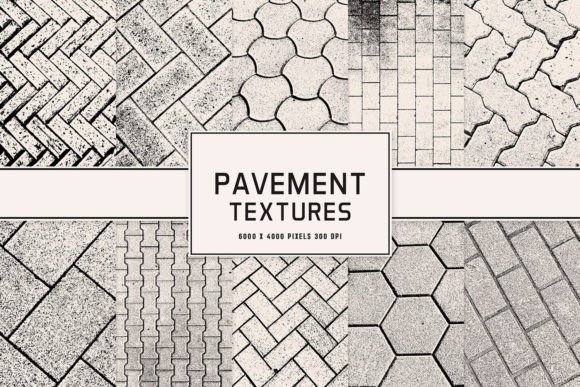
Pavement Textures refers to a set of digital assets that replicate the look and feel of real-world pavement surfaces. These textures are available in JPG and PNG formats, with dimensions of 6000 x 4000 pixels at 300 DPI, ensuring crisp clarity and versatility for both print and digital use. The RGB color profile makes them compatible with Adobe Photoshop CC or higher, offering designers the flexibility to integrate them seamlessly into their workflows.
The strategic value of these textures lies in their ability to add a tactile, authentic feel to digital projects. Whether you're designing a website, creating social media content, or working on branding materials, the subtle grain and imperfections of pavement textures can help create a sense of realism and sophistication that flat designs often lack.
How to Use Pavement Textures Effectively in Your Projects
Incorporating Pavement Textures into your design process requires thoughtful planning. Here are some practical examples and considerations:
- Graphic Design: Use pavement textures as backgrounds for logos, brochures, or packaging to give them an earthy, grounded feel.
- Canva Backgrounds: Add a layer of pavement texture to Canva templates to make presentations or social media posts stand out.
- Text Overlays: Apply pavement textures behind text elements to create contrast and visual interest without overwhelming the message.
- Business Cards: Incorporate a subtle pavement texture to add depth and uniqueness to printed business cards.
- Digital Scrapbooking: Use these textures as a base for photo collages, adding a vintage or rustic touch to digital layouts.
Before using Pavement Textures, consider the context of your project. Are you aiming for a modern, clean aesthetic or something more organic and natural? The texture should complement the overall theme rather than distract from it.
Planning and Positioning: When to Use Pavement Textures
Knowing when to use Pavement Textures is just as important as knowing how to use them. These textures are ideal for projects where a tactile, real-world element can enhance the user experience or reinforce a brand’s identity. For example, a fitness brand might use a weathered pavement texture to evoke a sense of movement and outdoor activity, while a luxury brand may prefer a smoother, more refined version to maintain elegance.
Consider also the audience you're targeting. If your project is intended for a younger demographic, a more vibrant or dynamic texture might be appropriate. On the other hand, if your audience prefers minimalism, a subtler application of the texture would be better.
Strategic use of Pavement Textures can also support long-term branding efforts. By consistently using similar textures across different platforms—such as websites, social media, and marketing materials—you can create a cohesive visual identity that strengthens brand recognition.
Risks of Using Pavement Textures Without Clear Goals
While Pavement Textures offer many benefits, there are risks associated with using them without a clear strategy. One common pitfall is overusing textures, which can lead to cluttered, unprofessional-looking designs. It's essential to apply textures thoughtfully, ensuring they serve a purpose rather than simply being decorative.
Another risk is mismatching the texture with the project's tone or message. A pavement texture that feels too rough or gritty could clash with a brand's polished image, potentially confusing or alienating the audience. Always test the texture in different contexts and adjust as needed.
Additionally, not considering the technical requirements—such as resolution, file format, and compatibility with design software—can result in poor-quality outputs. Make sure to verify that the textures you choose meet the specifications required for your specific project.
Maximizing Creativity and Productivity with Pavement Textures
Pavement Textures can be powerful tools for boosting creativity and productivity in design workflows. By having a library of high-quality textures readily available, designers can save time and streamline their processes. Instead of spending hours searching for the perfect background or texture, they can quickly apply a pre-designed pavement texture that aligns with their vision.
These textures also encourage experimentation and innovation. Designers can layer multiple textures, blend them with other elements, or manipulate them using various effects to achieve unique results. This flexibility allows for greater creative freedom and helps designers push the boundaries of their work.
For educators and professionals who teach design, incorporating Pavement Textures into lesson plans or training modules can provide students with hands-on experience in applying textures to real-world projects. This practical approach reinforces learning and helps students develop a deeper understanding of design principles.
Long-Term Benefits and Strategic Considerations
Investing in Pavement Textures can yield long-term benefits by supporting consistent branding, improving customer experience, and enhancing the perceived value of digital products. When used intentionally, these textures can become a signature element of a brand’s visual language, helping to differentiate it from competitors.
From a business perspective, using high-quality textures like those found in Pavement Textures can contribute to a more professional appearance, which in turn can influence customer perceptions and drive engagement. Whether you're launching a new product, redesigning a website, or updating marketing materials, the right texture can make a significant difference in how your message is received.
As you explore the potential of Pavement Textures, remember that the key to success lies in intentionality. Take the time to understand your goals, plan your approach, and evaluate the outcomes. With careful consideration and strategic application, these textures can become valuable assets in your creative toolkit, helping you achieve better results and deliver more impactful designs.